Concrete embed anchors are structural steel components positioned within formwork prior to concrete placement to establish load-bearing attachment points. Ranging from spherical-head pin anchors and spread anchors to threaded ferrule sockets, these cast-in inserts transfer tensile, shear, and dynamic loads deep into the concrete matrix. They eliminate the need for post-installed drilling in precast wall panels, floor slabs, structural beams, and bridge girders.
Key Product Characteristics
Deep Matrix Stress Distribution: Anchor legs and footings anchor directly into the internal reinforcement cage, preventing localized spalling under maximum load.
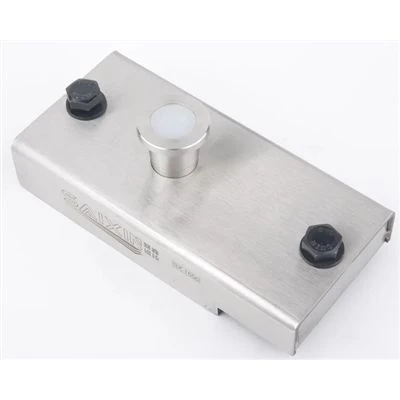
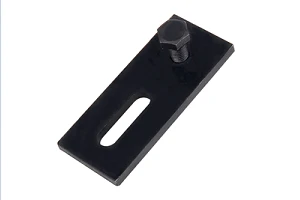
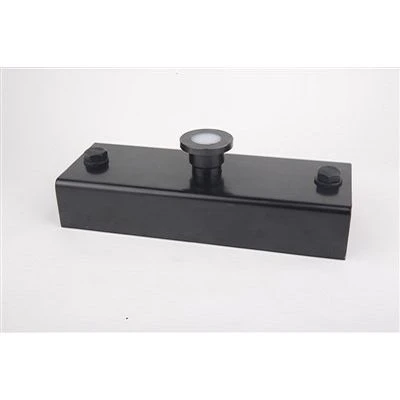
Formwork Integration: Used alongside magnetic or steel formers to secure precise alignment during casting and maintain clean anchor recesses.
Concealed Head Profiles: Recessed spherical or flat-head designs leave minimal surface footprint after demolding, protecting architectural aesthetics.
Directional Load Accommodation: Universal joint clutches and pin configurations match axial and multi-angle rigging angles without binding.
Key Specifications
|
Parameter |
Standard Range / Specification |
|
Nominal Load Ratings |
1.3 Ton to 32.0 Ton (13 kN to 320 kN) safe working load |
|
Thread & Socket Sizes |
M12 to M52; UNC 1/2" to 2" |
|
Embedment Length (hef) |
50 mm to 500 mm (Custom lengths available) |
|
Anchor Types |
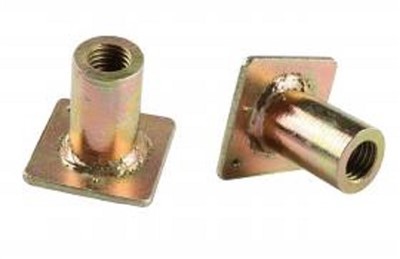
Pin Anchors, Lifting Eyes, Threaded Sockets, Foot Anchors, Plate Assembly Embeds |
|
Safety Factor |
3:1 to 5:1 (Compliant with OSHA 29 CFR 1926.704 for precast lifting) |
|
Production Tolerances |
Dimensions per ISO 2768-m; Thread class 6H / 2B |
Grades & Standards
Material Compliance: Carbon steel (20Mn2A, Q345), alloy steel (35CrMo), and stainless steel.
Execution Standards: Manufactured in accordance with GB/T 22795, ISO 898-1, and EN 10025-2 structural steel regulations.
Corrosion Protection: Hot-dip galvanizing (ISO 1461, layer thickness >= 85 um), electro-galvanizing, and sandblasted self-color finishes.
Load & Design Considerations
Safety Factor: Standard lifting configurations maintain a minimum breakage safety factor of 5:1 against ultimate tensile capacity.
Edge Distances & Concrete Strength: Minimum compressive strength (f_cu) of 15 MPa is required prior to initial lifting; full load ratings assume 25 MPa concrete matrix.
Vector Forces: Lateral shear loads require supplemental rebar cross-pins or specialized socket anchors to prevent concrete breakout.
Applications
Architectural & Structural Precast Panels: Utilized in solid walls, sandwich panels with insulation layers, and architectural facades for secure 90-degree tilt-up rotation, transport, and final alignment on site.
Bridge Girders & Infrastructure Components: Cast into precast box girders, T-beams, and segmental bridge elements to manage heavy dynamic load transfers, highway barriers, and sound wall footings.
Industrial Machinery & Equipment Foundations: Threaded ferrule sockets embedded into heavy equipment pads, generator bases, and crane rails to provide high-torque, vibration-resistant anchor points for machine hold-down bolts.
Utility Vaults & Drainage Systems: Embedded into precast manholes, electrical utility boxes, storm water drainage culverts, and pipe galleries for safe overhead rigging and interlocking modular assembly.
Quality & Inspection
Forging & Machining: Formed via precision drop-forging and automated CNC machining to maintain grain flow integrity.
Surface Preparation: Automated industrial sandblasting removes mill scale and enhances mechanical bonding with surrounding concrete.
Batch Testing: 100% proof-load testing on lifting clutches and destructive batch tensile testing on anchor rods, supported by individual mill test certificates (MTC) and stamping.
Customization Options
Non-standard anchor shaft lengths and broadened foot diameters for lightweight or ultra-high-performance concrete (UHPC).
Special threading configurations, UNC/Metric conversions, and integrated cross-pin holes for high-shear locations.
Customized laser-etched traceability marking (heat numbers, capacity ratings) for project-specific QA compliance.
What Buyers Should Provide
To generate precise structural drawings and commercial quotations, buyers should supply:
Design Loads: Maximum working load limit (WLL) and dynamic impact coefficients.
Concrete Parameters: Minimum compressive strength at demolding and service stages.
Environmental Exposure: Indoor dry, exterior weathering, marine, or corrosive chemical exposure classes.
CAD/BIM Files: Tekla (.ifc, .stp), AutoCAD (.dwg), or structural shop drawings indicating rebar layout.
FAQ
Hot Tags: concrete embed anchors, China concrete embed anchors manufacturers, suppliers, factory, Precast Concrete Coil Insert