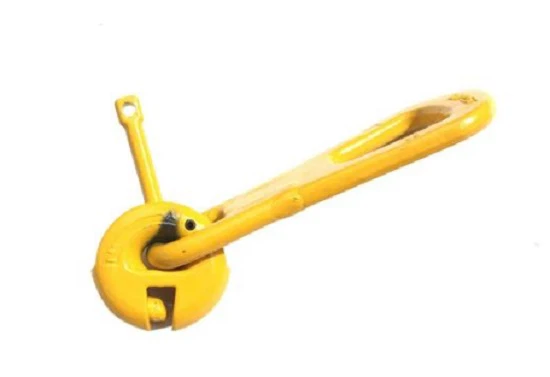
Steel chamfering is a crucial process in the manufacturing industry, especially in the production of high - quality steel products. As a reliable steel chamfer supplier, I have witnessed firsthand how this seemingly simple process can significantly impact the overall performance of a product. In this blog, we will explore the various impacts of steel chamfering on the product's performance, from mechanical properties to aesthetic and functional aspects.
Impact on Mechanical Properties
One of the primary impacts of steel chamfering is on the mechanical strength and durability of the product. When steel parts are subjected to stress, sharp edges can act as stress concentrators. These concentrated stress points can lead to premature cracking and failure of the material. By chamfering the edges, the stress distribution is more uniform along the surface of the part. For instance, in structural steel components used in construction or machinery, chamfered edges help prevent stress - induced fractures during loading. This allows the parts to withstand higher loads without failure, ultimately increasing the lifespan of the product and reducing the likelihood of costly repairs or replacements.
In addition, chamfering can also improve the fatigue resistance of steel products. Fatigue failure occurs when a material is subjected to repeated or cyclic loading. Sharp edges are more prone to initiate fatigue cracks due to the high - stress concentration. Chamfering smooths these edges, reducing the likelihood of crack initiation and propagation. For example, in automotive engine components that experience constant vibrations and cyclic stress, steel chamfering can enhance their fatigue resistance, leading to better overall performance and reliability of the vehicle.
Aesthetic and Surface Quality
Beyond mechanical properties, steel chamfering also has a significant impact on the aesthetic appearance and surface quality of a product. Sharp edges on steel parts can look rough and unfinished, which may not be desirable, especially in consumer products or high - end industrial applications. Chamfering gives the product a polished and refined look. It creates smooth transitions between surfaces, enhancing the overall visual appeal.
In addition, chamfered edges are safer to handle. Sharp edges can pose a risk of injury during assembly, installation, or regular use of the product. By removing these sharp edges, chamfering makes the product safer for workers and end - users alike. This is particularly important in industries such as furniture manufacturing, where consumers often come into direct contact with steel components.
Impact on Assembly and Manufacturing Processes
Steel chamfering can also streamline the assembly and manufacturing processes. When parts are being assembled, chamfered edges make it easier to insert and fit components together. Without chamfers, sharp edges can cause misalignment or damage during the assembly process. This can lead to production delays and increased costs. For example, in the production of electronic devices, chamfered steel frames allow for smoother insertion of circuit boards and other components, improving the efficiency of the assembly line.
Moreover, chamfering can enhance the machining and cutting processes. When steel is being machined, sharp edges can cause the cutting tools to wear out more quickly due to the high - stress concentration. Chamfering reduces this stress on the cutting tools, extending their lifespan and reducing machining costs. In addition, chamfered edges can help prevent burrs from forming during machining, which can improve the surface quality of the final product.
Compatibility with Other Components
In many products, steel components need to work in conjunction with other materials or components. Steel chamfering can improve the compatibility of these components. For example, in the construction of precast concrete structures, steel elements such as Shuttering Magnet Adapters and Shuttering Magnets are often used. Chamfered edges on these steel components can ensure a better fit with the concrete formwork, reducing gaps and improving the overall quality of the precast structure.
Similarly, in the use of high - strength magnets like the Holding Force 2300kg Lifting System Magnetic Mould Magnet Box Shuttering Magnet For Concrete Formwork, SX - 1800 SHUTTERING MAGNETIC BOX, and Holding Force 600kg Lifting System Magnetic Mould Magnet Box Shuttering Magnet For Concrete Formwork, chamfered edges on the associated steel parts can enhance the magnetic coupling and stability, ensuring reliable performance.
Cost - Effectiveness
Although steel chamfering adds an additional step to the manufacturing process, it can be cost - effective in the long run. As mentioned above, chamfering can improve the mechanical properties, reduce the likelihood of failure, and extend the lifespan of the product. This means fewer replacements and repairs, resulting in lower maintenance costs over the product's lifetime. In addition, the improved assembly efficiency and machining performance can also lead to cost savings in the production process.
Importance in Various Industries
The impact of steel chamfering is felt across a wide range of industries. In the aerospace industry, where components need to withstand extreme conditions and strict quality requirements, steel chamfering is used to ensure the safety and reliability of aircraft parts. In the medical device industry, chamfered steel parts provide a smooth and safe surface for medical instruments, reducing the risk of injury to patients.
Conclusion
In conclusion, steel chamfering has far - reaching impacts on the overall performance of a product. From enhancing mechanical properties and aesthetic appeal to improving assembly processes and compatibility with other components, chamfering is an essential step in the manufacturing of high - quality steel products. As a steel chamfer supplier, we are committed to providing the best - quality chamfering services to meet the diverse needs of our customers.
If you are interested in our steel chamfering services or have any questions about how steel chamfering can benefit your products, please feel free to contact us for a detailed discussion. Our team of experts is ready to assist you in finding the most suitable solutions for your manufacturing needs.
References
- Callister, W. D., & Rethwisch, D. G. (2010). Materials Science and Engineering: An Introduction. John Wiley & Sons.
- Kalpakjian, S., & Schmid, S. R. (2008). Manufacturing Engineering & Technology. Pearson Prentice Hall.