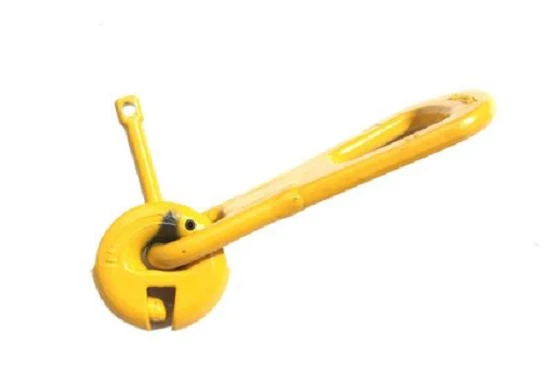
As a supplier of Lifting Eye Anchor, I understand the crucial importance of ensuring the stability and safety of these essential lifting components. Loosening of a lifting eye anchor during use can lead to severe consequences, including equipment damage, work stoppages, and even endangerment of human lives. In this blog post, I will share some effective strategies to prevent a lifting eye anchor from loosening during its operation.
1. Proper Installation
The foundation of preventing a lifting eye anchor from loosening starts with correct installation. Only trained and qualified personnel should perform the installation process according to the manufacturer's guidelines. Here are some key points to keep in mind:
- Select the Right Location: Choose a mounting surface that is strong, flat, and free from any cracks, corrosion, or other defects. The thickness and quality of the base material are critical factors. For instance, if the anchor is to be installed on a steel structure, ensure that the steel has the appropriate strength and hardness.
- Drill the Hole Accurately: Use the correct drill bit size as specified by the lifting eye anchor's manual. The hole should be drilled perpendicular to the mounting surface to ensure a proper fit. Any deviation in the hole's alignment can cause uneven stress distribution on the anchor, leading to loosening over time.
- Clean the Hole: After drilling, thoroughly clean the hole to remove any debris, dust, or metal shavings. These particles can prevent the anchor from seating properly and may also cause corrosion inside the hole.
2. Use of Appropriate Fasteners
The choice of fasteners plays a significant role in maintaining the tightness of a lifting eye anchor. High - quality bolts, nuts, and washers that meet the required standards should be used.
- Grade of Fasteners: Select fasteners with a grade that is compatible with the load - bearing capacity of the lifting eye anchor. Higher - grade fasteners generally have better tensile strength and can withstand greater forces without deforming or breaking.
- Washers: Flat washers and lock washers can be used in combination. Flat washers distribute the load evenly over the surface of the anchor and the mounting material, while lock washers prevent the fasteners from vibrating loose. For example, split lock washers work by creating a spring - like tension that resists rotation of the nut.
3. Locking Mechanisms
Implementing additional locking mechanisms can significantly enhance the resistance of the lifting eye anchor to loosening.
- Thread - Locking Compounds: These compounds are applied to the threads of the fasteners before installation. They harden after application, creating a strong bond that prevents the fasteners from turning. Some thread - locking compounds are designed to be removable with heat, while others provide a permanent lock.
- Nylon - Insert Lock Nuts: Nylon - insert lock nuts have a nylon ring inside the threads. When the nut is tightened, the nylon ring deforms and creates friction against the bolt threads, locking the nut in place. This type of locking mechanism is effective in preventing vibration - induced loosening.
4. Regular Inspection and Maintenance
Routine inspection and maintenance are essential to detect any signs of loosening or damage early.
- Visual Inspection: Periodically check the lifting eye anchor for any visible signs of movement, such as gaps between the anchor and the mounting surface, or signs of wear on the fasteners. Inspect the anchor for cracks, corrosion, or other forms of damage.
- Torque Checks: Use a torque wrench to check the tightness of the fasteners at regular intervals. Compare the measured torque with the recommended torque values provided by the manufacturer. If the torque is below the recommended level, retighten the fasteners according to the specified procedures.
- Cleaning and Lubrication: Clean the lifting eye anchor and its components regularly to remove dirt, grease, and debris. Lubricate the moving parts (if any) of the anchor to reduce friction and prevent corrosion.
5. Consider the Operating Environment
The conditions in which the lifting eye anchor operates can have a significant impact on its stability.
- Vibration and Shock: In environments with high levels of vibration or shock, such as construction sites or industrial machinery, additional anti - vibration measures may be required. For example, using shock - absorbing mounts or buffers can help reduce the impact on the anchor and prevent loosening.
- Extreme Temperatures: Extreme cold or hot temperatures can cause materials to expand or contract, which may affect the tightness of the anchor. Select materials that can withstand the temperature range of the operating environment. In some cases, thermal insulation or heating/cooling systems may be necessary to maintain a stable temperature around the anchor.
- Corrosive Environments: If the lifting eye anchor is used in a corrosive environment, such as a marine or chemical plant setting, choose corrosion - resistant materials. Stainless steel or galvanized anchors are good options. Additionally, apply protective coatings to further enhance the corrosion resistance of the anchor.
Relevant Products from Our Supply
As a trusted supplier of lifting equipment, we offer a range of products that are complementary to our Lifting Eye Anchor. For more information about these related products, you can visit the following links:
- Pin Anchor Rubber Magnetic Former
- Lifting Clutch
- Pipe Anchor Rubber Ring
- Lifting Anchor
- Lifting Eye Anchor
If you are in the market for high - quality lifting eye anchors or any of the related products mentioned above, we invite you to contact us for a detailed discussion about your specific requirements. We are committed to providing you with the best solutions for your lifting and fixting needs.
References
- Machinery's Handbook: A comprehensive reference for mechanical engineers and technicians, which provides detailed information on fasteners, materials, and installation techniques.
- Standards and guidelines from relevant industry organizations, such as the American Society of Mechanical Engineers (ASME) for lifting equipment safety.