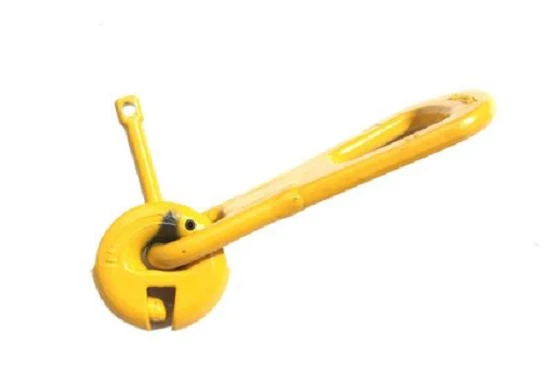
Hey there! As a supplier of Lifting Eye Anchors, I've seen firsthand how crucial it is to ensure the compatibility of these anchors with other lifting equipment. In this blog post, I'm gonna share some tips and insights on how you can make sure everything works together smoothly.
Understanding the Basics of Compatibility
First things first, let's talk about what compatibility actually means in the context of lifting equipment. Compatibility refers to the ability of different components to work together safely and effectively. When it comes to lifting eye anchors, this means that they should be able to connect securely to other lifting devices, such as slings, hooks, and cranes, without causing any issues.
There are several factors that can affect the compatibility of a lifting eye anchor with other equipment. These include the size and shape of the anchor, the type of connection it uses, the load capacity of both the anchor and the other equipment, and the working environment. Let's take a closer look at each of these factors.
Size and Shape
The size and shape of a lifting eye anchor play a big role in determining its compatibility with other equipment. The anchor should be the right size and shape to fit securely into the connection point of the other lifting device. For example, if you're using a sling, the eye of the anchor should be large enough to accommodate the thickness of the sling.
It's also important to consider the shape of the anchor. Some lifting eye anchors have a straight eye, while others have a bent or swivel eye. The shape you choose will depend on the specific application and the type of movement required. For example, a swivel eye anchor may be more suitable for applications where the load needs to rotate or pivot.

Type of Connection
There are several different types of connections that can be used with lifting eye anchors, including threaded connections, welded connections, and pin connections. The type of connection you choose will depend on the specific application and the requirements of the other lifting equipment.
Threaded connections are one of the most common types of connections used with lifting eye anchors. They are easy to install and remove, and they provide a secure connection. However, it's important to make sure that the threads on the anchor and the other equipment are the same size and pitch.
Welded connections are another option for attaching a lifting eye anchor to other equipment. This type of connection provides a very strong and permanent bond, but it requires specialized equipment and skills to install.
Pin connections are commonly used in applications where the anchor needs to be easily removable. They are typically used in conjunction with a cotter pin or a split pin to prevent the pin from coming out.
Load Capacity
The load capacity of a lifting eye anchor and the other lifting equipment is one of the most important factors to consider when ensuring compatibility. The load capacity refers to the maximum weight that the anchor or the equipment can safely support.
It's important to make sure that the load capacity of the lifting eye anchor is equal to or greater than the weight of the load you'll be lifting. You should also make sure that the load capacity of the other lifting equipment, such as the sling and the crane, is sufficient to support the weight of the load and the anchor.
Working Environment
The working environment can also have an impact on the compatibility of a lifting eye anchor with other equipment. For example, if you're working in a corrosive environment, such as a chemical plant or a marine environment, you'll need to choose a lifting eye anchor that is made from a corrosion-resistant material, such as stainless steel.
If you're working in a high-temperature environment, you'll need to choose a lifting eye anchor that can withstand the heat. Some anchors are designed to be used in temperatures up to 500 degrees Celsius or higher.
It's also important to consider the weather conditions when choosing a lifting eye anchor. If you're working outdoors in cold or wet conditions, you'll need to make sure that the anchor is designed to withstand these conditions and that it won't become brittle or slippery.
Testing and Inspection
Once you've selected a lifting eye anchor and other lifting equipment that you think are compatible, it's important to test and inspect them before using them. Testing and inspection can help you identify any potential issues or problems with the equipment and ensure that it is safe to use.
Before using the lifting eye anchor, you should perform a visual inspection to check for any signs of damage or wear. You should also check the connection points to make sure that they are secure and that the threads or pins are properly tightened.
You should also perform a load test on the lifting eye anchor and the other equipment to make sure that they can safely support the weight of the load. The load test should be performed using a calibrated load cell or a load testing machine.
Other Related Products
In addition to lifting eye anchors, there are several other products that are commonly used in lifting applications. These include Pin Anchor Steel Former, Pipe Anchor Rubber Ring, Pin Anchor Rubber Magnetic Former, Pin Anchor Steel Magnetic Former, and Pin Anchor Recess Former. These products can also be important for ensuring the compatibility and safety of your lifting equipment.
Conclusion
Ensuring the compatibility of a lifting eye anchor with other lifting equipment is essential for safe and efficient lifting operations. By considering factors such as size and shape, type of connection, load capacity, and working environment, and by performing proper testing and inspection, you can make sure that your lifting equipment works together smoothly and safely.
If you're in the market for high-quality lifting eye anchors or other lifting equipment, I'd love to talk to you. We have a wide range of products to suit your needs, and our team of experts can help you choose the right equipment for your application. Contact me to start a discussion about your procurement needs.
References
- Lifting Equipment Engineers Association (LEEA). (2023). Lifting Equipment Regulations and Best Practice Guides.
- American Society of Mechanical Engineers (ASME). (2023). B30 Series - Safety Standards for Material Handling Equipment.