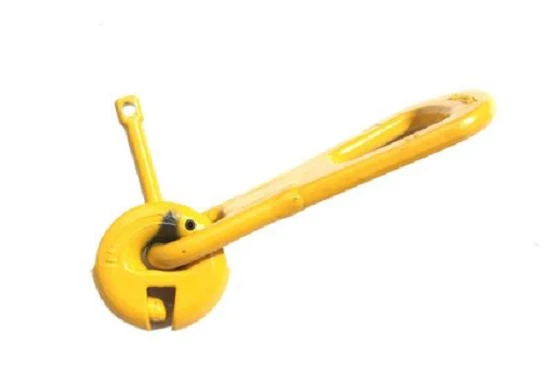
Yo, folks! I'm here as a supplier of steel chamfers, and today we're gonna dig into how a steel chamfer impacts the machining process. It's not just a small detail; it can make a huge difference in the whole operation.
Let's start with the basics. A steel chamfer is basically an angled edge or corner that's cut into a steel component. You might wonder why we even bother with it. Well, there are several good reasons, and they all tie back into the machining process.
1. Ease of Assembly
One of the first impacts a steel chamfer has on the machining process is related to assembly. When you're putting together different steel parts, an un - chamfered component can be a real pain. Sharp edges can damage other parts during assembly. It's like trying to fit a square peg into a slightly smaller square hole; it just doesn't go smoothly.
But when you have a chamfered edge, it acts as a guide. It helps the parts align better and slide into place more easily. This reduces the chances of misalignment and damage, which in turn saves time during assembly. Think about it. In a mass - production scenario, every second counts. If chamfering can speed up the assembly process, that's a huge win. You can also check out our Shuttering Magnet Adapters, which also play a role in the pre - casting process and can benefit from well - machined parts with proper chamfers.
2. Stress Reduction
Another important factor is stress reduction. In machining, sharp corners are stress concentrators. When a load is applied to a steel part, the stress tends to build up at the corners. Over time, this can lead to cracks and failures. A chamfer helps to distribute the stress more evenly across the surface of the part.
Imagine a steel beam with a sharp corner being used in a construction project. The weight and forces acting on it can cause high stress at that corner, making it more likely to break. But if the corner is chamfered, the stress spreads out, and the beam becomes more durable. This is crucial in industries where the reliability of steel components is a must, like automotive and aerospace. Our steel chamfers are designed to optimize this stress - distribution effect, ensuring that your parts can withstand the rigors of their intended use.
3. Tool Life
The machining process involves using cutting tools, and the condition of these tools can have a big impact on production costs. Steel chamfers actually help to extend the life of cutting tools. When a tool cuts a sharp edge, it has to deal with a lot of resistance and shock. This can cause the tool to wear out quickly.
On the other hand, when cutting a chamfer, the tool experiences a more gradual change in the material. There's less stress on the tool, and it can make cleaner cuts. This means fewer tool changes, less downtime for maintenance, and overall cost savings. If you're in the business of machining steel parts, you know that tool life is a major concern. Our high - quality steel chamfers can help you get the most out of your cutting tools. And if you're involved in pre - casting, our Adaptor For Shuttering Magnet - Customizable Dimension can be machined with precision using tools that benefit from chamfer effects.
4. Surface Finish
The surface finish of a steel part is often an important quality factor. A chamfer can improve the surface finish during the machining process. When you're machining a part with sharp corners, it can be difficult to get a smooth finish at those corners. The tool might not be able to reach all the areas properly, or it could leave rough edges.
With a chamfer, the cutting tool has better access to the edges, and it can create a more consistent surface finish. This is especially important in applications where the appearance of the part matters, like in consumer products or architectural elements. Our steel chamfers are crafted to ensure a top - notch surface finish, giving your end products a professional look.
5. Deburring
Deburring is an important post - machining process. Sharp edges on steel parts often result in burrs, which are small, unwanted bits of material that stick out. Removing these burrs can be time - consuming and costly.
A steel chamfer helps to reduce the formation of burrs in the first place. Since the chamfered edge is angled, the cutting process is more controlled, and there's less chance of material being pushed up to form burrs. Even if some burrs do form, they're usually smaller and easier to remove. This simplifies the deburring process and makes it more efficient.
Impact on Different Machining Operations
Turning
In turning operations, where a workpiece is rotated against a cutting tool, a chamfer can affect the cutting forces. When starting a cut on a chamfered edge, the tool engages with the material more gradually. This reduces the initial shock on the tool and the workpiece, leading to more stable cutting conditions. It also allows for better control of the chip formation, which is important for maintaining a good surface finish.
Milling
Milling involves using a rotating cutter to remove material. Chamfers in milling can help the cutter enter and exit the workpiece smoothly. Without a chamfer, the cutter might have to make a sudden plunge into the material, which can cause vibrations and poor surface finish. A chamfer provides a ramp - like entry, making the milling process more predictable and efficient.
Drilling
When drilling holes in steel, chamfering the entry and exit points can prevent the drill bit from wandering. A chamfer gives the drill bit a better starting point and helps it stay centered. It also reduces the risk of the drill bit breaking through the material and causing damage to the surrounding area.
Quality Control
As a steel chamfer supplier, we understand the importance of quality control. Every chamfer we produce is carefully inspected to ensure it meets the required specifications. The angle, depth, and surface finish of the chamfer all need to be consistent.
In the machining process, quality - controlled chamfers are essential. If the chamfer is too small or too large, it can affect the performance of the part. For example, a chamfer that's too small might not provide enough stress relief, while a chamfer that's too large could weaken the part. Our dedicated quality control team ensures that you get the perfect steel chamfers for your machining needs.
Conclusion
So, as you can see, a steel chamfer has a significant impact on the machining process. It affects everything from assembly and stress reduction to tool life and surface finish. Whether you're in the automotive, aerospace, or any other industry that uses steel parts, the right steel chamfer can make your production process more efficient and your end products more reliable.
If you're interested in learning more about our steel chamfers or are looking to source high - quality chamfered steel components for your machining projects, don't hesitate to reach out. We're here to help you find the best solutions for your specific needs. And if you're also in the market for pre - casting accessories, check out our Holding Force 2300kg Lifting System Magnetic Mould Magnet Box Shuttering Magnet For Concrete Formwork and other related products. Let's have a chat about how we can work together and take your machining operations to the next level.
References
- Smith, J. (2018). "Advanced Machining Techniques". Publisher: MachTech Books.
- Johnson, A. (2020). "Stress Analysis in Steel Components". Journal of Steel Engineering, 15(2), 45 - 56.
- Brown, C. (2019). "Tool Life Optimization in Machining". Industrial Machining Review, 22(3), 78 - 85.