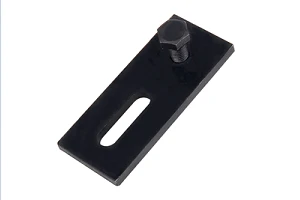
Lifting Anchor Protection Caps (recess plugs or socket caps) are elastomeric and polymer closure components deployed in precast concrete manufacturing. Inserted into concrete recesses immediately after demolding, these caps seal anchor voids against jobsite debris, moisture, mortar slurry, and freezing rain. By preventing internal corrosion of embedded spherical head pins, plate anchors, and threaded lifting sockets, they maintain structural load rating integrity during transit and outdoor yard storage.
Key Product Characteristics
Interference-Fit Geometry: Precision-molded ribs and friction collars grip internal recess walls securely, resisting wind shear and vibration during highway transit.
Elastomeric Memory: High-durometer rubber and thermal-set polyurethane formulations recover original shape after repeated insertion cycles, preventing looseness.
UV & Chemical Resistance: Compounded with weathering stabilizers to prevent polymer embrittlement, thermal cracking, and degradation from petroleum-based form-release oils.
Low-Profile Surface Finish: Sits flush with or slightly below the concrete face, avoiding interference during panel stacking while offering high-visibility color coding for load-class tracking.
Key Specifications
|
Anchor Compatibility |
Spherical head pin anchors, flat plate spread anchors, and threaded lifting sockets (M12 to M48). |
|
Load Group Range |
1.3 Ton to 32.0 Ton anchor recess sizing. |
|
Operating Temperature |
-40°C to +120°C (withstands steam-curing accelerators in precast plants). |
|
Durometer Hardness |
60-75 Shore A (optimized flexibility for manual thumb-press installation). |
|
Standard Colors |
High-visibility yellow, orange, red, and black corresponding to standardized tonnage groups. |
Grades & Standards
Material Compliance: Manufactured from Virgin EPDM, Thermoplastic Rubber (TPR), or Elastomeric Urethane.
Structural Integration: Compliant with EU Machinery Directive 2006/42/EC safety standards for precast lifting accessory interfaces.
Quality Management: Produced under ISO 9001 certified manufacturing environments with strict lot-control traceability.
Lifting & Handling Considerations
Post-Pour Insertion: Install caps immediately following formwork stripping and surface cleaning to seal internal threads or anchor heads prior to yard movement.
Clutch Clearance: Caps must be fully extracted prior to engaging lifting clutches or shackles; never apply rigging loads over closed protection caps.
Reusability Check: Inspect polymer lips for tears or permanent deformation prior to re-insertion; discard hardened or cracked caps to maintain reliable weather sealing.
Storage Protocol: Store bulk inventory in shaded, dry warehouse racks away from direct ultraviolet radiation and concentrated solvents.
Applications
Precast concrete wall panels and architectural facade elements exposed to weathering.
Structural precast bridge girders, Tee-beams, and civil infrastructure components.
Tilt-up wall construction requiring clean, uncorroded anchor pockets before final connection.
Underground precast utility vaults, manholes, and pipe sections subject to damp soil environments.
Precast elements undergoing prolonged marine transport or high-humidity coastal storage.
Quality & Inspection
Dimensional Verification: Optical comparator and digital caliper checks on lip diameter, wall thickness, and interference-fit tolerances.
Durometer Testing: Shore A hardness testing across production batches to verify consistent flexibility and compression recovery.
Environmental Aging Test: Accelerated thermal oven exposure (70°C for 168 hours) and low-temperature bend testing to ensure zero polymer cracking.
Fit-Trial Audits: Routine physical insertion and pull-out force testing using matching steel anchor recesses to guarantee field installation ergonomics.
Supply & Customization Options
Packaging Formats: Bulk carton packs (100 to 1,000 pcs/box) or jobsite-kitted bags organized by precast panel schedule.
Custom Tooling: Proprietary recess geometry development available via in-house CNC mold-making and rapid elastomer sample prototyping.
Color Coding: Custom pantone matching or company-specific color assignment aligned with internal plant safety protocols.
Logistics Support: Flexible MOQ tiers, palletized export crating, and direct-to-port container consolidation.
What Buyers Should Provide
To ensure exact part matching and rapid quotation processing, buyers should supply:
Anchor System Type: Pin anchor (ball head), flat plate anchor, or threaded socket type.
Load Capacity / Recess Dimensions: Exact tonnage rating (e.g., 2.5T, 5.0T) or measured recess cavity diameter and depth.
Material Preference: EPDM, TPR, or high-durability Urethane based on jobsite exposure requirements.
Annual Volume / Delivery Schedule: Estimated batch quantities and required port of destination for freight calculation.
FAQ
Hot Tags: lifting anchor protection caps, China lifting anchor protection caps manufacturers, suppliers, factory, Beam Lifting Insert