

What is the Recommended Pre - drilling Diameter for a Spread Anchor System?
As a supplier of spread anchor systems, I understand the importance of getting the details right when it comes to installation. One of the most critical aspects of installing a spread anchor system is determining the appropriate pre - drilling diameter. This article will explore the key factors that influence the recommended pre - drilling diameter for a spread anchor system, provide general guidelines, and explain how choosing the right diameter affects the performance and safety of the overall setup.
The Importance of Pre - drilling Diameter
The pre - drilling diameter is crucial for a spread anchor system. If the hole is too small, the anchor may not expand properly, resulting in insufficient holding power. On the other hand, if the hole is too large, the anchor may not be able to grip the surrounding material effectively, also leading to a weak connection. A well - chosen pre - drilling diameter ensures that the spread anchor can expand fully and create a secure hold in the base material, whether it's concrete, masonry, or other suitable substrates.
Factors Influencing the Recommended Pre - drilling Diameter
1. Anchor Type
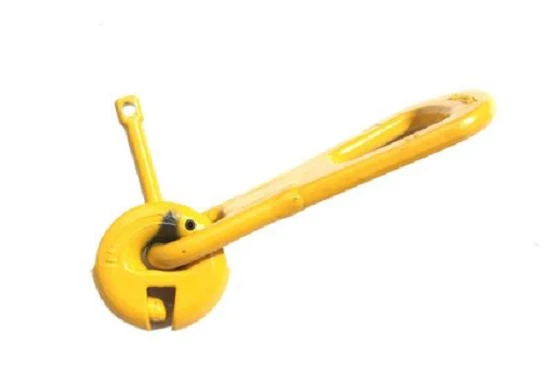
Different types of spread anchors have different expansion mechanisms and requirements. For example, the Spread Anchor is designed to expand radially when installed, and its pre - drilling diameter needs to be precisely matched to its expansion capabilities. The Spread Anchor Magnetic Fixing Plate may have different load - distribution characteristics and, thus, a different ideal pre - drilling diameter. Similarly, the Spread Anchor Ring Clutch has unique features that influence the hole size required for optimal installation.
2. Base Material
The type of base material also plays a significant role in determining the pre - drilling diameter. Concrete has different properties compared to masonry or brick. In a hard - dense concrete, a slightly smaller pre - drilling diameter may be sufficient as the concrete can better support the expansion of the anchor. In contrast, in a softer or more porous material like some types of masonry, a larger pre - drilling diameter might be necessary to prevent the material from fracturing during anchor installation.
3. Load Requirements
The amount of load the spread anchor system needs to support is another vital factor. Higher load applications require a more secure anchor - to - base material connection. A properly sized pre - drilling diameter ensures that the anchor can develop the necessary holding strength to withstand the applied loads. For light - duty applications, a relatively smaller diameter pre - drill may be adequate, while heavy - duty installations often demand a more precise and often larger - diameter hole to accommodate the full expansion of the anchor.
General Guidelines for Determining the Pre - drilling Diameter
Manufacturers usually provide detailed installation instructions that include the recommended pre - drilling diameters for their specific spread anchor systems. These recommendations are based on extensive testing and engineering analysis. As a general rule of thumb:
- For most standard spread anchors in normal - strength concrete, the pre - drilling diameter is typically around 1 - 2 millimeters larger than the nominal diameter of the anchor. For example, if you have an anchor with a nominal diameter of 10 mm, the pre - drilled hole might be 11 - 12 mm in diameter.
- In masonry, the pre - drilling diameter may need to be 2 - 3 millimeters larger than the anchor diameter to account for the material's porosity and lower density.
However, it's important to note that these are just rough estimates. Always refer to the manufacturer's guidelines for the most accurate information, as different anchor designs and base materials can deviate significantly from these general rules.
Impact of Incorrect Pre - drilling Diameter on Performance
Using an incorrect pre - drilling diameter can have serious consequences for the performance and safety of the spread anchor system.
- Insufficient Holding Power: If the hole is too large, the anchor will not be able to expand enough to create a tight fit in the base material. This results in reduced holding power, which can lead to the anchor pulling out under load, potentially causing equipment failure or even endangering human lives in some applications.
- Material Damage: A hole that is too small can cause excessive stress on the base material during anchor installation. This may lead to cracking, spalling, or other forms of damage, which can further weaken the overall structure and compromise the anchor's performance.
Ensuring the Right Pre - drilling Diameter
To ensure that you are using the correct pre - drilling diameter for your spread anchor system:

- Read the Manufacturer's Instructions: As mentioned earlier, the manufacturer's installation guide is your best resource. It contains all the necessary information about the appropriate pre - drilling diameter, drilling depth, and other installation requirements specific to their product.
- Conduct Testing: In some critical applications, it may be advisable to conduct small - scale tests in a similar base material. This can help verify that the chosen pre - drilling diameter provides the expected holding strength and does not cause any damage to the material.
- Consult with Experts: If you are unsure about any aspect of the installation, including the pre - drilling diameter, our team of experts is available to provide guidance. With our experience as a spread anchor system supplier, we have dealt with a wide range of applications and can offer valuable insights.
In conclusion, determining the recommended pre - drilling diameter for a spread anchor system is a multi - faceted process that depends on the anchor type, base material, and load requirements. Choosing the right diameter is essential for the proper functioning and safety of the system. If you are in need of a high - quality spread anchor system and require assistance with installation details, including pre - drilling diameter selection, we invite you to contact us. Our team is ready to help you make the right choices for your specific application.
References
- The Engineering Handbook for Construction Fasteners.
- Manufacturer's Installation Guides for Spread Anchor Systems.


