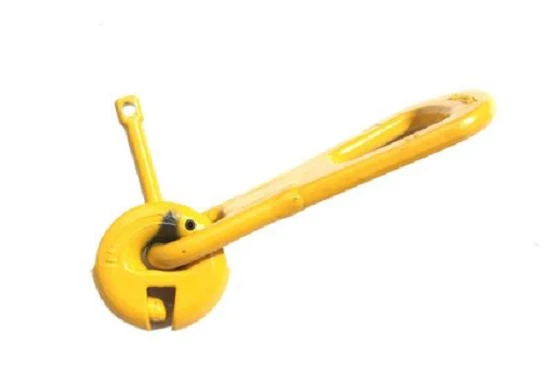
Hey there! As a supplier of Angled Fixing Sockets, I've seen firsthand how important it is to keep these nifty tools in top - notch condition. In this blog, I'll share some tips on how to maintain an angled fixing socket, so you can get the most out of it for years to come.
Understanding the Angled Fixing Socket
First off, let's talk a bit about what an Angled Fixing Socket is. It's a specialized socket designed to provide a secure connection in situations where a straight socket won't cut it. These sockets are commonly used in various industries, like construction, manufacturing, and even in some DIY projects. They come in different angles and sizes to fit specific needs, and they're built to handle a fair amount of stress.


Regular Inspection
One of the most crucial steps in maintaining an angled fixing socket is regular inspection. You should check your socket before and after each use. Look for any signs of wear and tear, such as cracks, chips, or excessive corrosion. Cracks can weaken the socket and make it prone to failure, while chips can affect the socket's ability to grip properly. Corrosion, on the other hand, can eat away at the metal over time, reducing the socket's strength.
If you notice any of these issues, it's important to take action right away. Minor chips might be able to be smoothed out, but if there are cracks or significant corrosion, it's probably time to replace the socket. Remember, using a damaged socket can be dangerous, so don't take any chances.
Cleaning
Cleaning your angled fixing socket is another key part of maintenance. After each use, remove any dirt, debris, or grease from the socket. You can use a simple brush or a cloth to wipe it down. For stubborn dirt, you might need to use a mild solvent. Just make sure to follow the manufacturer's instructions when using solvents, as some can damage the socket's finish.
It's also a good idea to clean the threads of the socket. Threads can collect dirt and debris, which can make it difficult to install or remove the socket. Use a thread cleaner or a small brush to clean the threads thoroughly. This will ensure a smooth and secure connection every time.
Lubrication
Lubrication is essential for the proper functioning of an angled fixing socket. Applying a thin layer of lubricant to the socket's threads and moving parts can reduce friction and wear. It also helps to prevent corrosion. You can use a general - purpose lubricant, such as WD - 40, or a specialized lubricant designed for sockets.
When applying lubricant, make sure to cover all the necessary areas. Don't over - lubricate, as this can attract more dirt and debris. A little goes a long way. After applying the lubricant, wipe off any excess to keep the socket clean.
Storage
Proper storage is often overlooked, but it can have a big impact on the lifespan of your angled fixing socket. When not in use, store the socket in a dry and clean place. Avoid storing it in areas where it can be exposed to moisture, extreme temperatures, or chemicals.
You can use a toolbox or a dedicated storage container to keep the socket safe. Make sure to organize your tools so that the socket doesn't get damaged by other tools. If possible, store the socket in a protective case to prevent scratches and other damage.
Comparing with Other Sockets
It's also interesting to compare the angled fixing socket with other types of sockets, like Solid Rod Fixing Sockets and Short Wavy Tailed Sockets. Solid rod fixing sockets are designed for more heavy - duty applications, where a strong and stable connection is required. They're often used in industrial settings.
Short wavy tailed sockets, on the other hand, are more flexible and can be used in situations where a bit of movement is needed. They're commonly used in automotive and some light - manufacturing applications.
While the maintenance principles for these sockets are similar, the specific requirements might vary. For example, solid rod fixing sockets might need more frequent lubrication due to the higher stress they endure, while short wavy tailed sockets might be more prone to damage from bending.
Troubleshooting
Even with proper maintenance, you might run into some issues with your angled fixing socket. One common problem is a loose connection. If the socket doesn't seem to be holding tightly, check the threads for damage or dirt. You might need to clean the threads or replace the socket if the damage is severe.
Another issue could be difficulty in installing or removing the socket. This could be due to a misaligned thread or a build - up of dirt. Try using a thread chaser to realign the threads and clean them at the same time. If the problem persists, it might be a sign of a more serious issue, and you should consult a professional.
Why Maintenance Matters
Maintaining your angled fixing socket is not just about making it last longer. It's also about safety. A well - maintained socket is less likely to fail during use, which can prevent accidents and injuries. In a work environment, this can mean the difference between a smooth operation and a costly downtime.
In addition, proper maintenance can save you money in the long run. By taking care of your socket, you can avoid the need for frequent replacements. This is especially important for businesses that rely on these tools for their daily operations.
Conclusion
So, there you have it! These are some of the key steps to maintaining an angled fixing socket. Regular inspection, cleaning, lubrication, and proper storage are all essential for keeping your socket in good condition. By following these tips, you can ensure that your angled fixing socket performs at its best for a long time.
If you're in the market for high - quality angled fixing sockets or have any questions about maintenance, feel free to reach out for a purchase negotiation. We're here to help you find the right solutions for your needs.
References
- General knowledge from years of experience in the angled fixing socket industry.
- Manufacturer's guidelines for angled fixing sockets.